달러트리마저 부유한 고객 유치에 나섰다
달러트리는 지금까지 저소득층을 주 고객으로 여겨왔지만, 최근 부유한 고객 유치에 나섰습니다. 이는 기존 고객층 외에 새로운 시장을 개척하려는 전략으로 보입니다. 이번 움직임을 통해 달러트리가 어떤 변화를 겪게 될지 주목해볼 만합니다.
Dollar Tree’s Expansion into Wealthier Areas
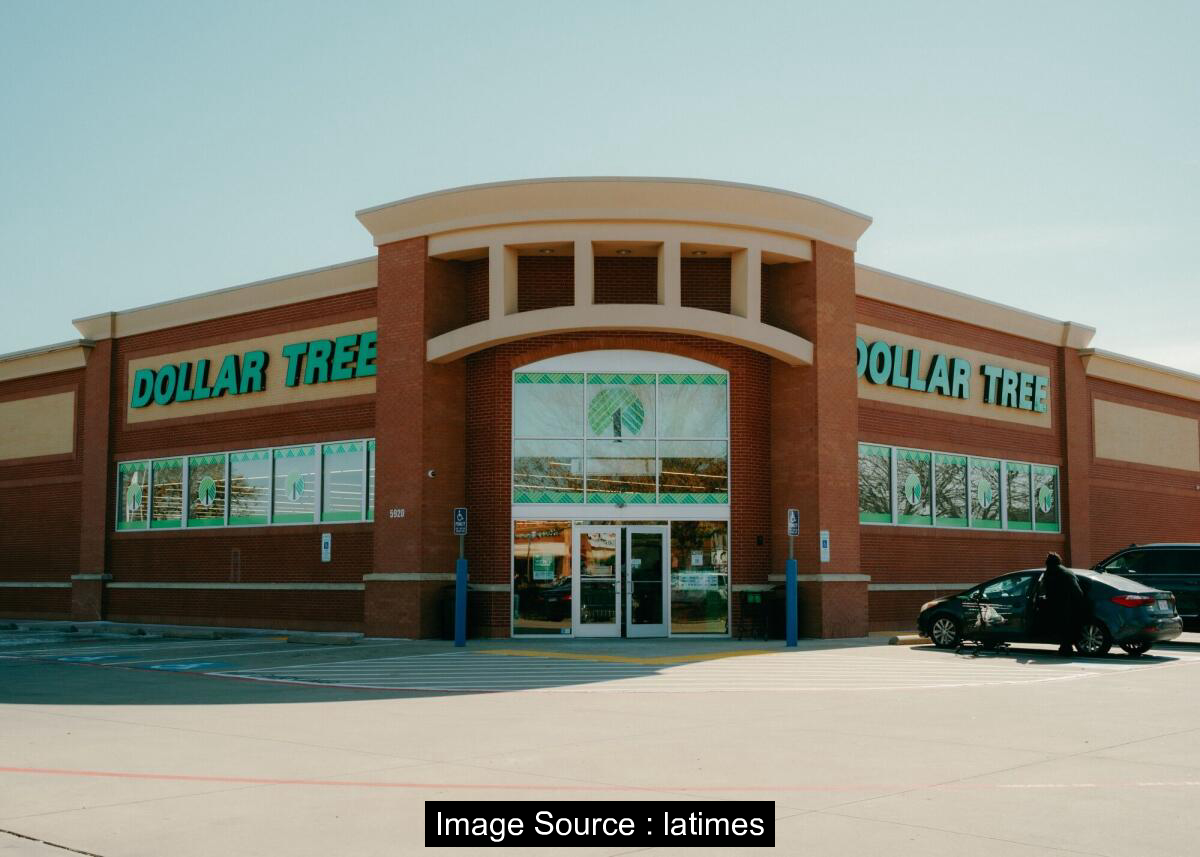
Dollar Tree, the discount retail chain, has been expanding its presence in more affluent areas across the United States. In May 2025, the company opened its 9,000th store in Plano, Texas, a ritzy Dallas suburb, which is located just a few miles away from high-end establishments like a Louis Vuitton store, a steakhouse selling $525 Wagyu beef, and luxury car dealerships.
This shift in Dollar Tree’s strategy is a departure from its traditional focus on lower-income customers. In the last six years, almost half of the new Dollar Tree stores have opened in wealthier enclaves of metropolitan areas, compared to just 41% in the previous six years. The company’s CEO, Michael Creedon, attributes this change to the fact that ‘everything’s kinda drifted up,’ with wealthier shoppers now making up a significant portion of Dollar Tree’s customer base.
Catering to Higher-Income Shoppers
Dollar Tree’s move into higher-income areas is driven by the fact that shoppers who make over $100,000 are now driving much of the company’s growth. Last quarter, 60% of new Dollar Tree customers were in this income bracket. While these wealthier customers may visit the stores less frequently than lower-income shoppers, they tend to spend about $1 more per visit on average.
This shift in customer demographics has prompted Dollar Tree to adapt its product offerings and store layouts to cater to the preferences of higher-income shoppers. The new Plano store, for example, is cleaner and better stocked than some of the company’s other locations, with a focus on ‘add-on’ items like gift bags and decorative items rather than just basic essentials.
Overcoming the ‘Dollar Store’ Stigma
Dollar Tree’s expansion into wealthier areas can be traced back to its attempts to find its footing after the 2008 recession. As the economy improved and higher-income shoppers stopped trading down, the company focused on the low end, acquiring Family Dollar in 2015 to ‘extend our reach to low-income customers.’.
However, this strategy also locked the company into a ‘stigma of the dollar store,’ which had faced criticism for poor working conditions and undercutting local shops. To overcome this, Dollar Tree has expanded its safety and compliance procedures, and in 2019, it made a radical decision to start selling products for up to $5, eventually raising its base price to $1.25 and offering a variety of price points in all of its locations.
Adapting to the Changing Retail Landscape
Dollar Tree’s move into higher-income areas is part of a broader trend in the retail industry, where even low-end retailers like Walmart are trying to cater to higher-income shoppers. As spending concentrates among the top 10% of earners, retailers are themselves trading up, finding it ‘a lot easier to make money selling to the high end than the low end.’.
For Dollar Tree, this shift has allowed the company to move into more expensive areas without being seen as a ‘blight or a sign of a neighborhood in decline.’ The new stores are more akin to Target or Walmart, offering a convenient and affordable shopping experience for both lower-income and higher-income customers.